How to Choose Physical Intrusion Detection Systems Vendors
Physical security threats can take many forms, from break-ins and theft to vandalism and unauthorized access. As a result, many organizations invest in physical intrusion detection systems to help identify threats and respond faster to incidents.
So, this guide will explain whether an intrusion detection system is right for you, what technologies you should understand, and what to look for when comparing intrusion detection systems vendors.
Is a physical intrusion detection system right for you?
A physical intrusion detection system is designed to detect unauthorized entry into a building or area. These systems use various technologies, such as sensors, alarms, and cameras, to identify suspicious activity and support an appropriate response.
For many organizations, intrusion detection serves as a critical layer within a broader physical security strategy. While security cameras can provide visibility into an event, intrusion detection systems are specifically designed to identify when a threat is occurring and generate an alert.
Many types of industries use physical intrusion systems, such as the following:
- Retail stores
- Warehouses and distribution centers
- Financial institutions
- Industrial facilities
- Healthcare facilities
- Schools and campuses
- Commercial office buildings
- Churches and other religious institutions
With that said, if you’re unsure whether a physical intrusion detection system is right for you, here are some common use cases.
- Protecting facilities after hours: Many break-ins occur when a building is unoccupied. Intrusion detection systems help monitor facilities during evenings, weekends, and holidays when employees are not present.
- Protecting valuable assets: Businesses that store inventory, equipment, sensitive information, or other valuable assets often use intrusion detection solutions to reduce the risk of theft and property loss.
- Securing restricted areas: Some areas require additional protection, such as cash-handling areas, server rooms, executive offices, pharmaceutical storage areas, or warehouse inventory locations.
- Supporting faster response: By detecting suspicious activity as it occurs, intrusion detection systems help organizations respond more quickly to potential threats.
Intrusion detection system examples
Intrusion detection systems will use a variety of technologies to identify threats early. So, they may not always function the same way. With different technologies and designs come added complexity.
The more familiar you are with the available technologies, the better equipped you'll be to compare vendors and identify the solution that best aligns with your security objectives.
Motion detectors
Motion detectors monitor activity within an area. When movement is detected at a time of day when none should occur, the system can generate an alert for further investigation.
Motion detection remains one of the most common technologies used in commercial intrusion detection systems. While motion sensors are common in intrusion detection systems, they aren’t always the most reliable.
The biggest drawback these detectors have is their ability to pick up motion that isn’t related to a break-in or intrusion. They can easily pick up activity related to weather, animals, pests, and other non-emergency motions. For this reason, motion detectors are not as reliable as other intrusion detection technologies.
Door and window contacts
These sensors are installed on doors, windows, and other entry points. When an entryway or window is opened during off-hours, the system immediately triggers an alarm. Door and window contacts are often used as a foundational layer of intrusion detection because they directly monitor common access points.
Glass break sensors
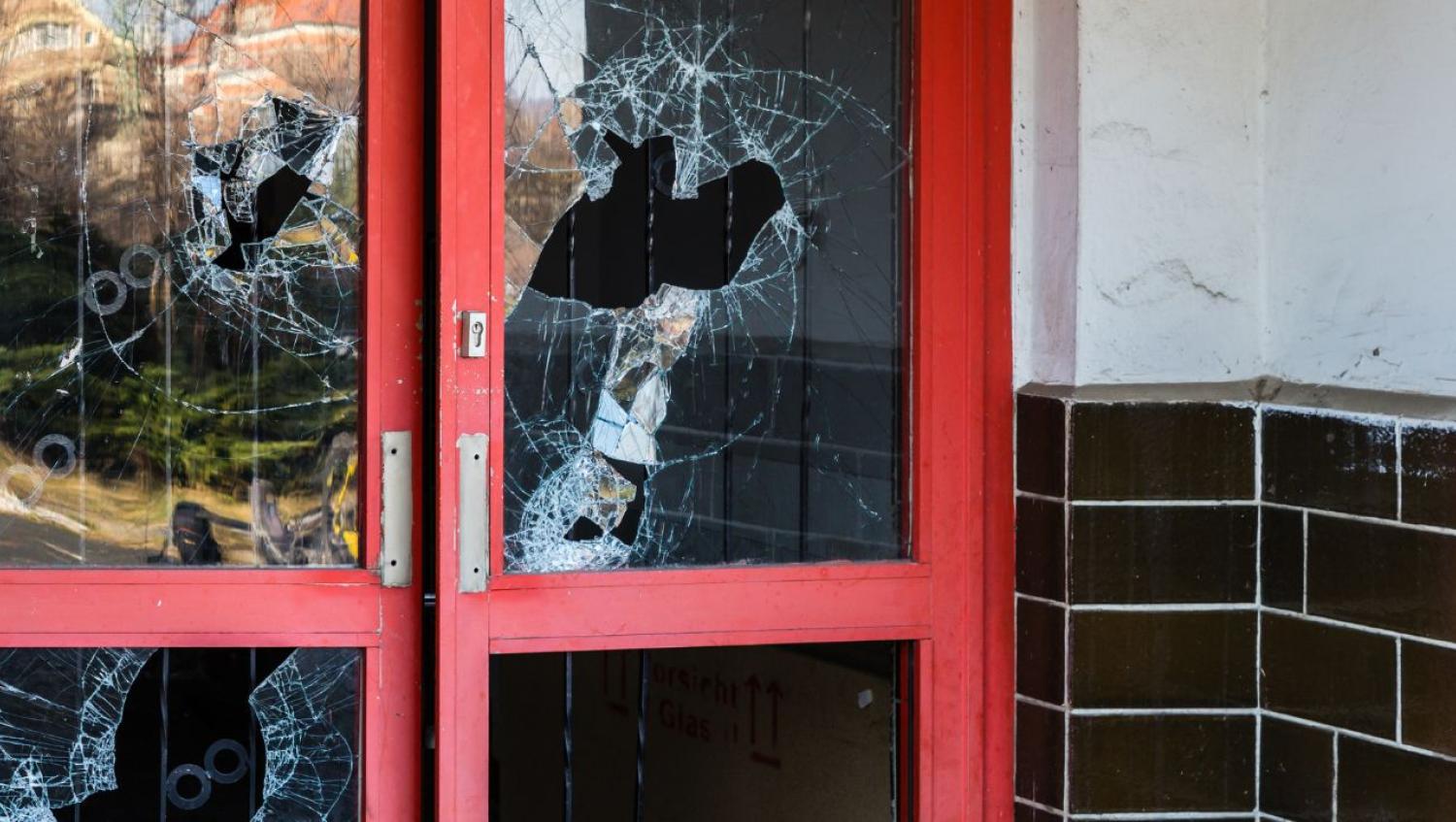
Glass break detectors are audio sensors that listen for the distinct acoustic patterns associated with breaking glass. These sensors can help identify attempted or successful forced entry before an intruder gets further into a property.
Perimeter detection
Perimeter detection solutions help secure the exterior of a property. Depending on the application, these systems may monitor fences, gates, loading areas, or other vulnerable boundaries.
These devices typically use smart security cameras with analytics that monitor perimeter zones. When an individual or vehicle enters that zone, it signals an alarm. The camera may also have built-in deterrence features to further assist in preventing intrusion, such as a siren, talk-down, and flashing lights.
Video verification
Video surveillance can enhance intrusion detection by providing visual context during an alarm event. When an alert occurs, security personnel can review live or recorded footage to better understand what is happening and determine whether a response is necessary.
Audio sensors
Finally, audio intrusion detection systems use sound to identify potential threats such as breaking glass, forced entry, or other signs of criminal activity. These sensors can monitor larger areas than motion sensors can and are often more accurate.
When paired with professional monitoring, audio detection can provide additional information that helps verify events and improve response effectiveness. Monitoring agents can listen in on activity to hear conversations or break-in activities to verify whether a threat is underway.
Best practices when searching for intruder detection systems vendors
Before contacting vendors, it's important to establish a clear understanding of your security needs and business objectives.
Following several best practices early in the evaluation process can help simplify vendor selection and improve long-term outcomes.
Conduct a security assessment
Start by identifying potential vulnerabilities throughout your facility with a security assessment or audit. The results of your audit will help determine what types of solutions you need for your intrusion system and what types of vulnerabilities you should keep an eye on moving forward.
A security assessment will evaluate the following:
- Primary entry points
- High-value assets
- Restricted areas
- Building layout
- Security policies and procedures
- Existing security technologies and exploits
Define your goals
Every business will have different security goals than the next. Some businesses may focus on reducing after-hours theft, while others want stronger protection for employees. Clearly defining your goals can help narrow your search and identify vendors that align with your requirements.
Consider more than equipment
When evaluating providers, avoid focusing exclusively on hardware specifications and technologies. Depending on your business, you likely don’t need state-of-the-art solutions.
After all, the effectiveness of a physical intrusion detection solution depends on more than technology. Other factors also matter and often determine the success of your system, such as its design, monitoring services, customer service, the vendor’s years of experience, ongoing support, and verification procedures.
Evaluate the vendor as a whole, not just their solution, for the best experience.
Consider future growth
Security requirements often change as businesses grow. Choosing a scalable solution can help ensure that your intrusion detection system continues to support your organization as you add new locations or expand your building.
Evaluate integrations
Many organizations benefit from integrating intrusion detection with other security technologies. Integrated security technologies create a stronger solution that is more effective at maintaining the safety of your business, inventory, and people.
Consider integrating with:
- Video surveillance
- Access control
- Visitor management systems
- Fire and smoke alarms
Ask about false alarm reduction
False alarms can create unnecessary disruptions and reduce confidence in a security system. When evaluating intruder detection system vendors, ask what processes, technologies, and monitoring procedures they use to help improve alarm accuracy and verify potential threats.
Their solution and policies should help you reduce false alarms, which helps you save money, time, and resources over time.
What to look for when comparing intrusion detection systems vendors
Once you've identified several potential providers, it's important to compare them using criteria that directly impact security performance.
When evaluating intrusion detection systems vendors, consider the following factors:
- Detection capabilities: Evaluate the technologies each vendor offers and how effectively those technologies identify potential threats. Look for providers that can tailor detection methods to your building and business operations.
- Monitoring services: Monitoring plays a significant role in the effectiveness of an intrusion detection solution. Ask vendors about monitoring availability, alarm verification procedures, event escalation processes, and response protocols.
- Installation expertise: An intrusion detection system is only as effective as its design and implementation. Look for providers with experience securing facilities similar to yours and the ability to recommend solutions based on your specific environment.
- Ongoing service and support: Security systems require routine maintenance, testing, updates, and technical support. Understanding what happens after installation can help ensure long-term system reliability and performance.
- Integration and flexibility: Modern security environments often include multiple technologies working together. Determine whether the vendor’s solution can integrate with other security technologies or existing systems while supporting future growth.
- Company reputation and experience: A vendor's history can provide valuable insight into its ability to deliver long-term security solutions. Consider factors such as years in business, industry expertise, customer references, and local support capabilities.
Questions to ask intrusion detection systems vendors
When evaluating vendors for your physical intrusion system, ask them the following:
- How are alarms verified?
- What monitoring services do you provide?
- How do you help reduce false alarms?
- Can the system integrate with video surveillance and access control?
- What support is available after installation?
- How do you customize solutions for different facilities?
What are some popular intrusion alarm brands?
For more than 60 years, SONITROL has helped businesses reduce property damage and theft from break-ins and intrusions with industry-leading verified audio and video detection.
Rather than relying primarily on motion detection, SONITROL's patented audio technology is designed to detect impact-related sounds associated with forced entry, including breaking glass or attempts to enter through doors, windows, walls, or ceilings.
When a potential intrusion is detected, the event is immediately sent to SONITROL's central station operators. Operators can listen to live audio and, when video verification is available, view camera footage to help determine whether a real intrusion is taking place. Once an event is verified, law enforcement can be dispatched with detailed information about the situation and location of the intruder.
So, whether you're evaluating intrusion detection systems vendors for the first time or replacing an existing security system, SONITROL can help you build a solution that aligns with your needs.
Contact our team today to learn more about our audio and video intrusion detection solution.