Audio Intrusion Detection: How It Works & Why It Matters
Audio intrusion detection systems are designed to protect your business by detecting threats early through sound. By identifying events like breaking glass or forced entry as they happen, these systems provide awareness that goes beyond what cameras and motion sensors alone can capture.
So, this guide details everything you need to know about audio intrusion detection systems, including how they work, the advantages they offer, and how they differ from video intrusion systems. You’ll also discover features to look for when considering a solution.
This guide covers:
- What is audio intrusion detection?
- How are physical intrusion detection systems used?
- The Importance of audio intrusion detection
- Audio vs. video intrusion detection systems
- Features of an effective audio intrusion detection system
- What businesses benefit from audio intrusion systems?
- What is the best audio intrusion detection system?
What is audio intrusion detection?
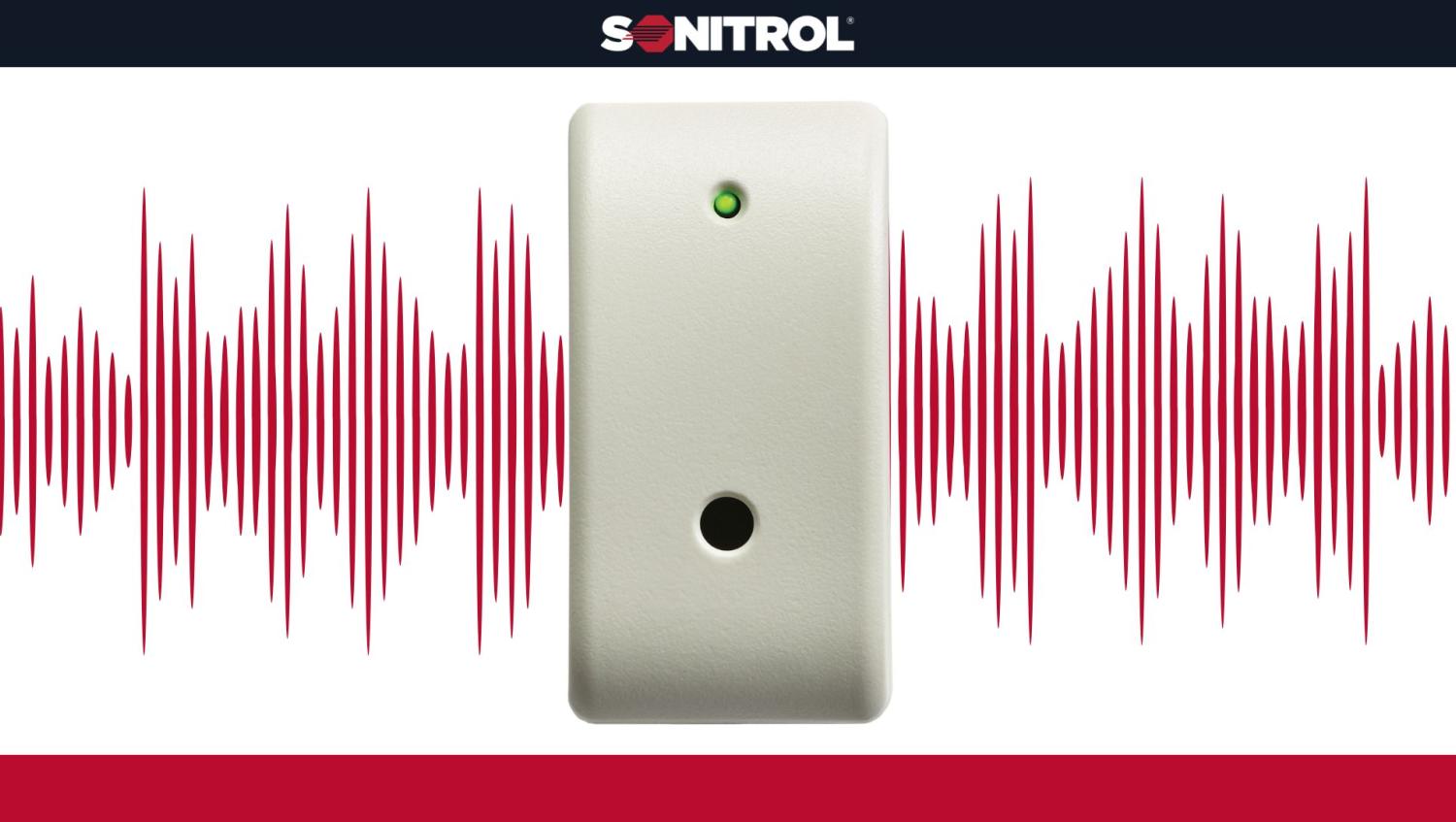
Audio intrusion detection is a physical security measure that uses sound to identify unusual or potentially dangerous activity. Instead of relying only on cameras or motion sensors, it listens for specific sounds that may indicate an intrusion, such as breaking glass, forced entry, or sudden loud disturbances.
At its core, an audio intrusion detection system uses audio sensors and built-in software to analyze sound in real time. When the system detects a noise that matches a known threat pattern, it can trigger an alert or activate an intrusion detection alarm. This allows businesses to respond quickly, even if the incident happens outside a camera’s field of view.
More advanced solutions use verified audio intrusion detection, where trained security professionals monitor alerts in real time. When the system detects a potential threat, a live agent can listen in to the audio to assess what is happening.
When integrated with video surveillance, agents can also access connected security cameras to view live video alongside the audio. This combination of sound and visual context makes it easier to confirm whether a break-in or criminal activity is taking place.
By pairing audio detection with video verification, these systems improve accuracy and reduce uncertainty. Once a criminal event is verified, the agent can quickly escalate the situation and contact law enforcement with a confirmed alarm, helping ensure a faster and more informed response. In fact, cities adopting verified responses have seen a decrease of approximately 90% in the number of alarm calls.
How are physical intrusion detection systems used?
Physical intrusion detection systems are used to identify and respond to unauthorized access in buildings, facilities, and secured areas. They are commonly deployed in environments such as retail stores, warehouses, offices, and data centers, where protecting people and assets is critical, especially during off-hours.
These systems work by monitoring signs of intrusion and triggering an intrusion detection system alarm when suspicious activity is detected. Depending on the setup, this can include motion sensors, door contacts, audio detection, or a combination of technologies.
In many businesses, intrusion detection is part of a layered security approach. Audio detection, video surveillance, and alarm systems work together to provide broader coverage and faster response.
A typical workflow looks like this:
- A potential threat is detected (sound, motion, or entry)
- The system triggers an alert
- The event is reviewed or verified by a person
- Security teams or law enforcement are notified if needed
By combining detection and verification, these systems help ensure that real threats are identified and addressed quickly.
The Importance of audio intrusion detection systems
Audio intrusion detection provides several advantages for businesses looking to strengthen their security and response capabilities:
- Early detection: Audio systems can identify threats at the moment they begin, such as the sound of breaking glass or forced entry, before an intruder is visible on camera. As a result, businesses can respond sooner — often fast enough to deter the intruder or support apprehension before significant damage or loss occurs.
- Improved coverage: Sound can be detected beyond a camera’s field of view, helping reduce blind spots in large or complex environments. This broader awareness helps ensure that activity in less visible areas does not go unnoticed, improving overall site security.
- Effective in low visibility: Audio detection works in complete darkness or poor lighting conditions where video systems may be limited. This allows businesses to maintain consistent protection around the clock, regardless of lighting conditions.
- Faster response: Real-time alerts and verification allow security teams to act quickly when a potential threat is detected. Faster response times can help minimize disruption, reduce losses, and improve the chances of stopping an incident in progress.
- More accurate: When paired with verified audio intrusion detection and live agent monitoring, systems can confirm real events and reduce false alarms. This helps businesses avoid unnecessary disruptions while ensuring that real threats receive immediate attention.
- Stronger layered security: Audio enhances existing audio security systems by working alongside video, motion sensors, and intrusion detection system alarms. This layered approach provides more reliable detection and a clearer understanding of what’s happening during an event.
- Cost-effective enhancement: Businesses can improve their overall security coverage without relying solely on expanding camera infrastructure. Adding audio detection can strengthen protection while making better use of existing systems and resources.
Audio vs. video intrusion detection systems
For the best results, audio and video intrusion detection systems should be used simultaneously.
The key difference is that audio detection is especially useful for identifying events early, while video helps confirm visually what is happening. Both have their own strengths and weaknesses, making them both essential for a comprehensive intrusion detection system.
Here’s an overview of how video and audio intrusion detection systems compare:
| Quality | Audio Intrusion Detection | Video Intrusion Detection |
|---|---|---|
| Detection method | Sound-based | Visual or motion-based |
| Performance in darkness | No limitations in the dark | Limited without infrared |
| Coverage | Can detect beyond line of sight in small and large areas | Limited to the camera’s field of view, and large areas may require multiple cameras |
| Response time | Often detects events early that match that of a forced entry | Depends on visibility and camera placement |
| Scalability | Easier to scale, with simple installation and minimal infrastructure impact | More difficult to scale, requiring more hardware and greater bandwidth |
Features of an effective audio intrusion detection system
An effective audio intrusion detection system should be designed to provide clear, reliable alerts and support fast, informed responses that protect your business from significant loss.
So, when choosing an audio intrusion detection system, look for these features:
- Verified audio and video intrusion detection: Look for systems that include live monitoring by trained professionals who can listen to audio and, when available, access video feeds. This helps ensure that alarms are confirmed before law enforcement is contacted, reducing false alarms and improving response outcomes.
- Wall-to-wall, floor-to-ceiling coverage: Consider solutions that provide volumetric protection across the entire space, rather than just monitoring entry points. This helps ensure that intruders can be detected no matter how or where they enter.
- Immediate alarm verification and dispatch: A strong system should route alerts to a central monitoring team that can quickly verify events and contact law enforcement with a confirmed alarm. Verified alarms are typically taken more seriously, which can lead to faster response times.
- Support for both intrusion and emergency events: Features like panic buttons or monitored alarms during business hours can extend protection beyond after-hours intrusion. This ensures your business is covered in a wider range of situations, such as robberies and fires.
- Scalability across locations: If your business operates in multiple locations, look for a system that can scale easily while maintaining consistent performance and centralized management.
- Centralized system management: Look for a platform that allows you to manage your entire security system through a single dashboard. A centralized view makes it easier to monitor activity, review alerts, and manage multiple locations efficiently, helping your team stay informed and in control.
What businesses benefit from audio intrusion systems?
Audio intrusion detection is a flexible solution that can support businesses of all sizes, from single-location operations to large, multi-site organizations. It is especially valuable in environments where continuous monitoring and fast response are critical.
Common uses cases include:
- Retail: Audio intrusion systems can detect break-ins after hours, such as glass breaking or forced entry. This allows for faster verified response, which can help deter intruders, reduce theft, and limit property damage.
- Warehouses: Large spaces with limited visibility can be difficult to fully monitor with cameras alone. Audio detection helps cover blind spots, providing broader awareness throughout the facility and helping protect high-value inventory.
- Office buildings: These systems can identify unauthorized entry during off-hours or in restricted areas. This helps businesses maintain control over access and respond quickly to potential security risks.
- Industrial facilities: Complex environments with multiple entry points and high noise levels benefit from audio systems that can identify unusual or impact-related sounds. This improves situational awareness and helps detect intrusions that might otherwise go unnoticed.
Audio intrusion detection is also well-suited for businesses that are growing or managing multiple locations. Its ability to scale and integrate with existing systems makes it a practical option without requiring a complete security overhaul.
What is the best audio intrusion detection system?
The best audio intrusion detection system is SONITROL.
SONITROL pioneered audio intrusion detection and continues to build on that foundation with patented impact-activated audio sensors designed to detect signs of forced entry the moment they occur. Unlike conventional systems that rely primarily on motion, SONITROL provides wall-to-wall, floor-to-ceiling coverage, helping ensure that intrusions are detected no matter how or where they happen.
The differentiator in our solution is verified audio and video intrusion detection. When an alert is triggered, trained monitoring professionals can listen to live audio and access video feeds to confirm whether a real event is taking place. Once verified, law enforcement is contacted with a confirmed alarm, often resulting in faster, prioritized response and a higher likelihood of apprehension.
With more than 55 years of experience and established relationships with law enforcement, SONITROL has built a reputation for reducing false alarms and improving response outcomes.
Get in touch today to learn more about our solutions or to find a dealer near you.