Intrusion Alarm Systems Guide for Choosing the Right One
Commercial break-ins are persistent threats across all types of industries and can significantly impact the health of a business. For these reasons, businesses need intrusion alarm systems to identify break-ins and respond to them as soon as possible. Doing so helps reduce the impact of the break-in and the effects it has on people's safety and operations.
So, this guide will walk you through everything you need to know about physical intrusion detection systems, such as what they are, how they work, and what to look for when choosing a solution. We'll also help you determine how to choose the right intrusion alarm brand based on your business needs.
What is an intrusion alarm system?
An intrusion alarm system is a security solution designed to detect unauthorized access to a building and trigger an alarm when it occurs.
These systems may use a variety of methods to detect unauthorized access, such as motion sensors, audio sensors, or door and window contacts. When one of these devices picks up activity associated with unauthorized access, they trigger an alarm. Then, the alarm notifies specified personnel, who handle the response.
Intrusion alarm systems, also known as commercial burglar alarm systems, are used across all types of industries. They are effective solutions for identifying break-ins and preventing serious damage and theft of assets, helping businesses maintain their bottom line.
How intruder alarms work
Intrusion alarm systems can vary in their design, especially in their components. However, the majority of solutions will use similar technology to detect unauthorized access.
The most common components of a commercial burglar alarm system include:
- Door and window contacts
- Motion detectors
- Glass break detectors
- Audio intrusion detection sensors
- Control panels
- Environmental sensors
- Keypads and user interfaces
- Alarm notification devices
- Fire and smoke detector integrations
- Professional monitoring services
With these components, most intrusion alarm systems will follow a similar process as below.
1. A sensor detects activity
The process starts when a sensor detects activity that potentially indicates there is an intrusion.
For example:
- A door with a contact is opened during after-hours.
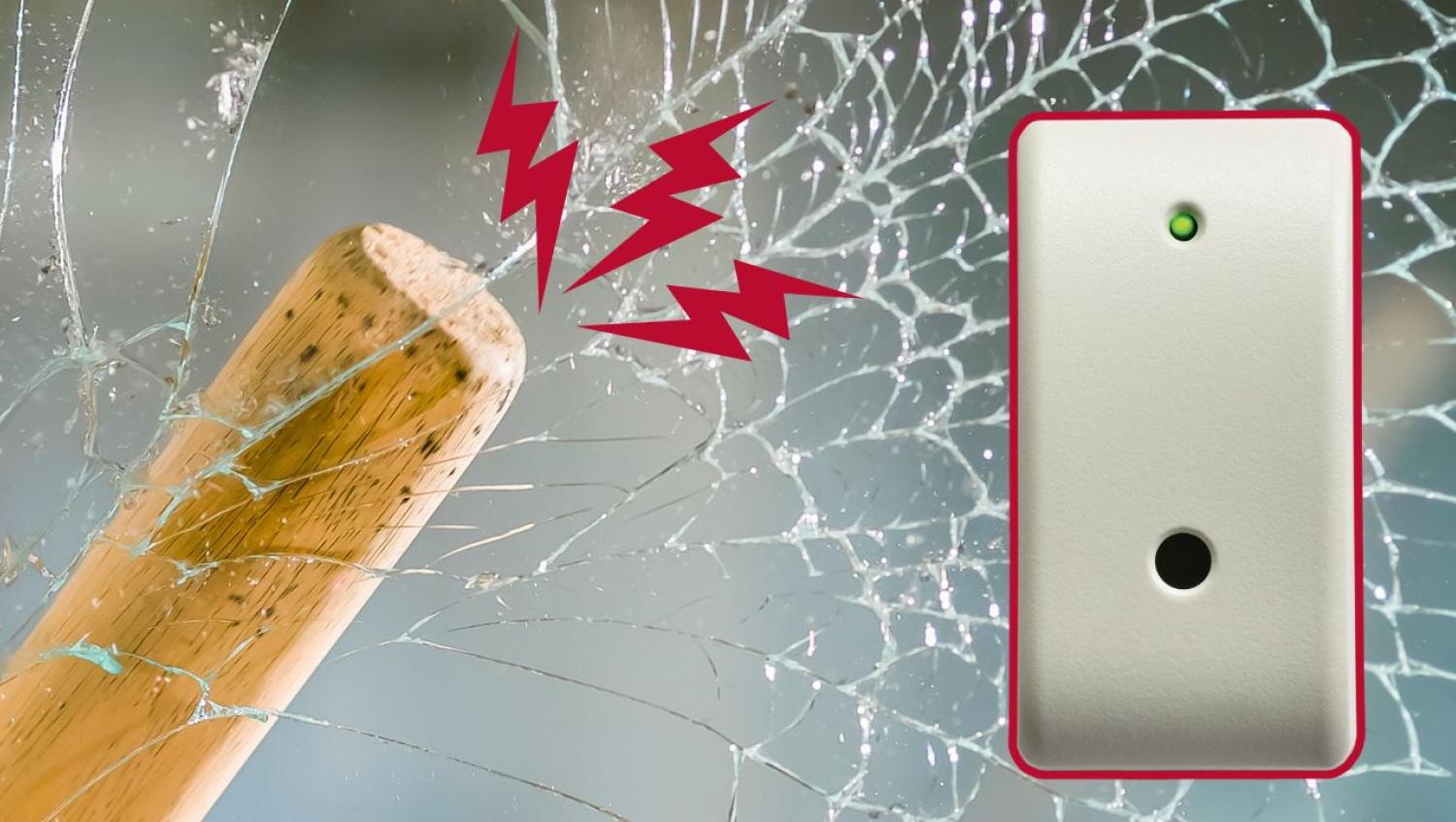
- The window is broken, and audio sensors pick up the noise.
- Motion is detected in an area where access is restricted.
Regardless of the device, the detection technology continuously monitors activity at specified times of the day for unauthorized access.
2. The data is processed
Once a sensor is activated, it sends a signal to a control panel.
Often referred to as the brain of the intrusion alarm system, the control panel receives information from connected devices and determines whether an alarm event should be initiated.
3. An alarm is triggered
If the activity meets the system's alarm criteria, the control panel triggers a response.
Depending on the system configuration, this may include:
- Activating an audible or silent alarm
- Sending notifications to designated personnel
- Contacting a professional monitoring center
- Triggering integrated security devices
4. Personnel assess the alarm
Many businesses choose professionally monitored intrusion alarm systems because they provide around-the-clock oversight.
When an alarm event occurs, trained monitoring personnel receive the alert and assess the situation based on the information available. They'll review the data that triggered the alarm and review video footage to determine if the activity detected was in fact a break-in.
If a business does not have professional alarm monitoring services, alarms may notify business owners or operators and law enforcement automatically.
5. An appropriate response is initiated
After the event has been assessed, the appropriate response is initiated.
If professionally monitored, personnel will notify law enforcement in the event of a break-in. The faster an intrusion is identified and verified, the sooner action can be taken to help minimize losses and protect people and property.
On the other hand, if the alarm was triggered by accident, they'll reset the system and won't contact authorities, reducing false alarms.
Types of burglar alarm systems for business
You can choose from a wide range of intrusion alarm systems based on your industry, building needs, security requirements, and more. Understanding the differences in the types of systems will help you choose the right solution.
Here are some common types of burglar alarm systems for businesses.
Monitored
Monitored alarm systems are connected to a professional monitoring center that receives and responds to alarm events. When an intrusion occurs, monitoring personnel assess the situation and follow established response procedures.
These systems offer greater advantages compared to unmonitored systems, such as:
- 24/7 oversight
- Faster law enforcement response times
- Fewer false alarms
- Reduced burden on owners and operators
- Support during after-hours incidents
- Reduced interruptions to business operations
Unmonitored
Alarm systems that aren't monitored rely on local alarms to signal to law enforcement that a break-in has occurred or to notify employees. While these systems offer a basic level of protection, responding to these alarms when they do occur is difficult. These types of alarms put strain on business resources and don't support a timely response to reduce stolen or damaged property.
Wired
Wired alarm systems use physical cabling to connect sensors and devices throughout a facility. These solutions are known for their reliability and consistent performance despite having a higher upfront cost to install.
Wireless
Wireless intrusion alarm systems communicate using wireless signals instead of physical wiring. They take advantage of local networks to communicate with each other. Wireless intrusion systems support faster installations and greater flexibility for complex buildings. However, they add strain to Wi-Fi or cellular networks that could potentially be unreliable at times.
Smart
Modern alarm systems often include smart capabilities that allow businesses to remotely manage and monitor their security systems.
Common features of smart alarm systems include:
- Mobile app access
- Remote arming and disarming
- Real-time alerts
- System health monitoring
- User management controls
- AI capabilities
Features to look for in intrusion alarm systems
When evaluating intrusion alarm systems, it's important to look beyond basic alarm functionality. The best solutions combine advanced detection technologies with monitoring and management capabilities that support a faster and more effective response.
Look for intrusion alarm systems that provide the following features:
- Professional monitoring: Alarm events are received and addressed 24/7 by trained monitoring personnel, even when your facility is unoccupied, keeping your business protected throughout the day.
- Advanced detection technology: Technologies such as motion sensors, door and window contacts, glass-break detectors, and audio detection help identify suspicious activity as quickly as possible. Prioritize a system that uses a reliable form of detection and has proven results, as it helps better protect your business.
- Remote system management: Allows authorized users to arm and disarm the system, review activity, receive alerts, and monitor system status from virtually anywhere. This gives you better control over your system, whether you have one location or multiple.
- Security system integrations: Connects with video surveillance, access control, intercoms, and other security solutions to provide greater visibility into security events. Integrated systems support stronger security postures, reduce loss, and improve effectiveness.
- Verified alarms: Professional monitoring teams verify alarms to ensure an emergency is underway, reducing false alarms and wasted resources. It also supports a better law enforcement response with faster response times and added preparedness.
- Real-time notifications: Get immediate alerts when alarm events occur so key personnel can stay informed and take action when necessary. Staying informed about alarm events will enable you to better protect your business and respond accordingly.
What to consider when choosing a commercial burglar alarm
Not every intrusion alarm system fits every business, so it’s important to evaluate your organization's specific requirements and security objectives.
Consider the following factors when comparing commercial burglar alarm systems:
- Your security risks: Different businesses face different threats, so it’s critical to understand your risks to determine which features matter the most.
- Facility size and layout: The number of entrances, square footage, restricted areas, and overall building design will influence system requirements and device placement.
- Monitoring capabilities: Evaluate how alarm events are handled, what response procedures are available, and whether verification methods are used to help assess incidents.
- Future plans: Choose a solution that can adapt as your business expands, whether through new facilities, additional users, or changing security requirements.
- Burglar alarm system installation: Proper installation is critical to ensuring sensors, devices, and communication pathways function as intended. Work with a provider that has experience designing and deploying commercial systems.
- Ongoing support and maintenance: Look for a security partner that offers training, technical support, maintenance services, and long-term assistance after installation.
- System integrations: Consider whether the intrusion alarm can work alongside your video surveillance, access control, and other security technologies.
- Total cost of ownership: Evaluate not only equipment costs, but also monitoring services, maintenance requirements, future expansion needs, and long-term value.
Choose a leading intrusion alarm system brand
At SONITROL, we combine advanced intrusion detection technology with professional monitoring services designed to help businesses identify threats and respond faster when security incidents occur.
Our patented audio and video intrusion detection solution uses verified alarms to help reduce false alarms, improve situational awareness, and support faster police response when a break-in occurs. By providing real-time information about potential threats, verified alarms can help increase apprehensions while minimizing the operational disruptions and costs often associated with false alarm events.
Whether you're protecting a retail store, office building, school, healthcare facility, or warehouse, SONITROL delivers customized intrusion alarm solutions designed around your organization's unique security needs.
Contact SONITROL today to schedule a security assessment and learn how our solutions can help safeguard your people, property, and operations.