Integrated Security Systems (ISS) Guide: What You Need to Know
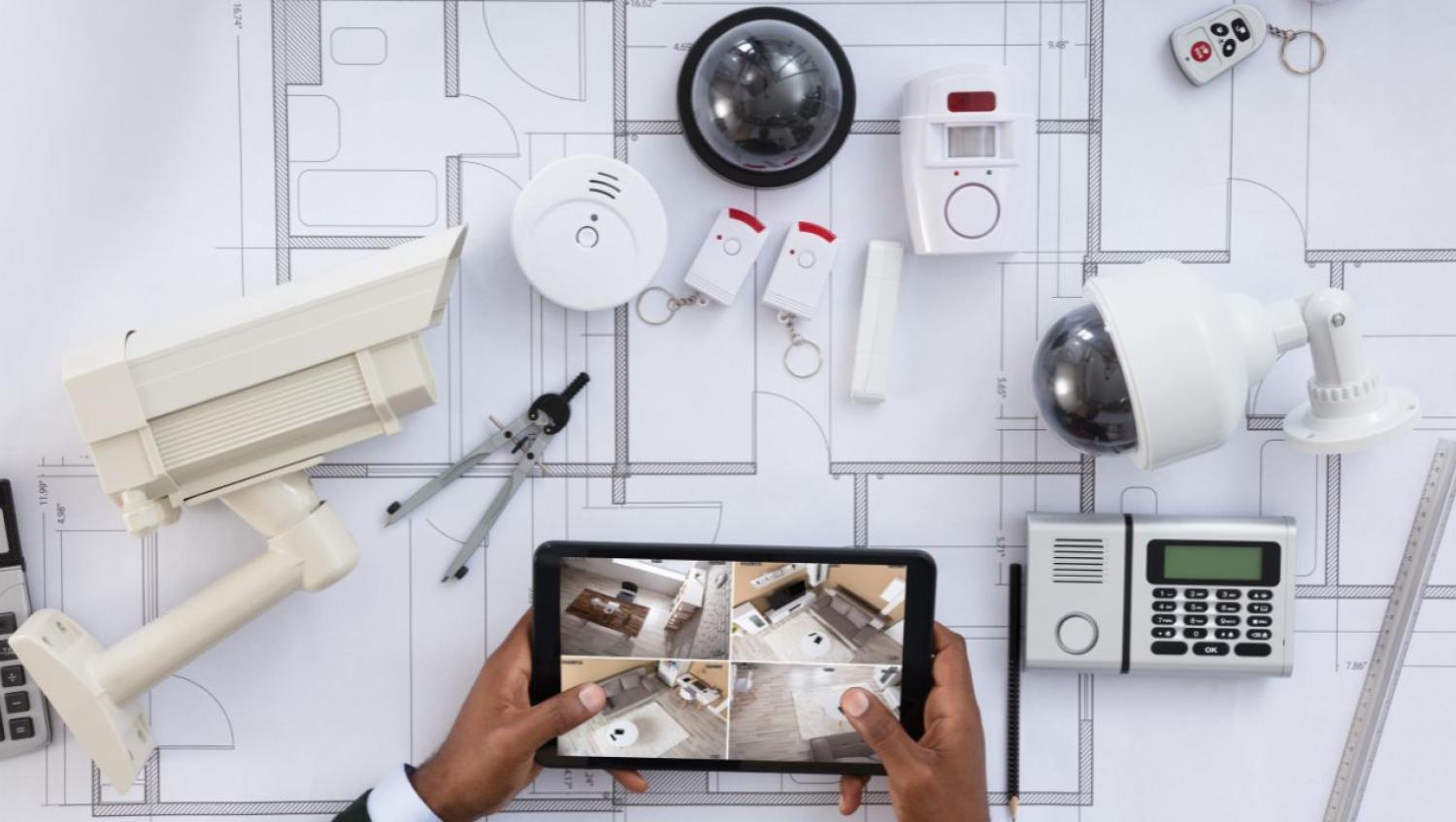
Businesses often use a variety of security systems and features to protect people and assets. However, as your business grows and time goes on, these systems may be difficult to manage separately. For that reason, integrated security systems are becoming a modern solution to unify video, access, intrusion, and more.
This guide will walk you through everything you need to know about integrated security management systems, including how they work, what they can integrate, and best practices for implementing them. Most importantly, we'll cover what to look for in an ISS vendor for the best experience.
What is an integrated security system (ISS)?
An Integrated Security System (ISS) is a software platform that connects multiple security technologies into a centralized platform, allowing them to work together and share information.
Integrated security management solutions connect video surveillance, access control, intrusion detection, visitor management, and other security and building systems through a single interface.
The platform is designed to improve visibility and coordination across an organization's security ecosystem. With all security devices connected to a single platform, teams can use one interface.
As a result, it reduces the work needed to manage systems while maintaining a higher level of business security. It also provides a complete picture of potential security incidents, supporting more effective responses.
Components of integrated security systems
Integrated security systems bring together multiple technologies to create a more connected and effective security strategy.
While the exact components may vary by business, most integrated security solutions include the following systems:
- Video surveillance: Monitor activity throughout a facility and provide visual evidence of security events. When integrated with other security technologies, cameras can help security teams see the full picture of incidents, enabling better responses.
- Access control: Manage who can enter your business and specific areas. Integrating access control with other security technologies provides greater visibility into facility activity and helps organizations better protect sensitive assets.
- Physical intrusion detection: Identify unauthorized entry attempts and other suspicious activity. These systems provide an early warning when potential security threats are detected and can trigger alerts for security personnel or monitoring centers.
- Fire and smoke systems: Help protect occupants and property by identifying potential fire hazards. Integrating these systems with other security technologies can improve incident awareness and support faster emergency response.
- Alarm systems: Notify security personnel, monitoring centers, or first responders when a security event occurs. They serve as a critical component of an integrated security strategy by helping organizations quickly detect and respond to threats.
- Building environmental systems: Track conditions such as temperature, humidity, water leaks, and other factors that may impact operations. With these systems integrated, you can better protect operations, sensitive assets, and elevate the customer experience through comfort.
- Visitor management: Manage guests, contractors, and other non-employees entering your business. When integrated with access control and other security technologies, they improve visibility while supporting security and compliance requirements.
How do integrated security solutions work?
Integrated security solutions connect multiple security technologies through a centralized platform. Instead of managing systems separately, you can monitor and manage them from a single interface.
Here is a general overview of how these systems operate.
1. Security systems are connected to a centralized platform
The foundation of an integrated security system is a central management platform that brings multiple technologies together. This platform serves as a single point of control for security teams, reducing the need to switch between different applications and systems.
The platform will have a centralized dashboard to review alerts, video feeds, door statuses, alarms, and more. From the dashboard, you can manage all types of settings and permissions for the overall system.
2. Security devices share information
Once connected, systems can communicate and exchange data. Video surveillance cameras, access control readers, intrusion detection devices, and other technologies work together to provide a more complete view of security activity across a facility.
3. Security events are correlated
Integrated security management systems link related events from different technologies. For example, an access control event can be associated with video footage from nearby cameras, giving security personnel additional context when reviewing activity or investigating incidents.
4. Operators respond from a single interface
When an event occurs, security teams can access relevant information through one platform rather than multiple disconnected systems. This streamlines investigations and supports effective responses that are more likely to achieve a positive resolution.
5. Security operations are managed more efficiently
By centralizing monitoring and system management, integrated security solutions simplify day-to-day operations. Organizations can manage users, review activity, generate reports, and more from a single interface.
Benefits of integrated security systems
Integrated security systems offer businesses a single platform to manage all of their security devices. As a result, SSIs offer significant advantages businesses can leverage.
The biggest advantages of integrated security solutions include the following:
- Improve reporting: Generate more accurate and comprehensive reports by consolidating data from multiple security systems into a single platform. This gives organizations a clearer view of security activity across their facilities. Some platforms even support automated and customized reporting to further reduce the workload of security teams.
- Accelerate response times: Help security teams identify, assess, and respond to incidents more quickly by providing access to comprehensive information. In turn, teams are more prepared to respond effectively to a situation.
- Increase operational efficiency: Reduce the time and effort required to manage separate security systems. Integrated security solutions enable teams to operate within a single tool, helping them complete their tasks faster. A centralized platform also makes onboarding new employees faster, as they have fewer tools and processes to learn.
- Reduce false alarms: Provide additional context around security events by connecting intrusion detection, video surveillance, access control, and other systems. Together, they help security personnel make more informed decisions and improve response accuracy.
- Scale security as your business grows: Add new devices, users, locations, and security technologies without managing multiple disconnected systems. This flexibility helps support changing business needs over time, which saves you time and money.
- Support regulatory compliance: Maintain compliance standards through clear records and defined security procedures. Centralized reporting and tracking capabilities also assist in maintaining these regulatory requirements.
Best practices for planning and installing an ISS
Implementing an integrated security system requires thoughtful planning to ensure all security technologies work together effectively. Taking the time to evaluate your needs and future requirements can help maximize the value of your investment.
Here are some best practices to follow when implementing an ISS for the best experience.
Start with a security assessment
Before selecting an integrated security solution, evaluate your current business environment. A security dealer can help you assess your security needs with a thorough inspection and audit of your current technology and processes.
They'll help you identify areas that need securing, potential gaps in security, challenges from operations, and more. From there, you can determine what solutions you need to better position your business's security.
Define integration requirements
Not every organization requires the same level of integration. Determine which systems should share information based on your operations and security risks. Additionally, you may not require certain types of security systems, so it's best to determine what your requirements are before choosing a solution.
Prioritize centralized management
One of the primary benefits of an integrated security system is the ability to manage multiple technologies from a single interface. Prioritize solutions that simplify operations to a single tool. Avoid switching between different interfaces or programs. Your ISS should be centralized and accessible through a single dashboard for smoother operations.
Consider future growth
Security needs often evolve as organizations expand. Consider a solution that can easily add new sites, users, and devices as your business grows. Choosing a solution that can scale with your business will help avoid costly upgrades or system replacements later down the road. In other words, the right integrated security system will futureproof your business's security posture.
Prioritize cloud platforms
Consider a cloud-based integrated security platform for ease of use and greater flexibility. Cloud systems are becoming increasingly popular due to increased hardware prices and the work required for on-prem solutions.
Additionally, cloud-based security systems offer the following advantages:
- Remote management
- Lower upfront costs
- Automated and remote updates
- Easily scalable
- Integrations
Work with an experienced security partner
The success of an integrated security system often depends on proper system design and implementation. Working with an experienced provider or brand can help ensure technologies are configured correctly and aligned with your organization's security objectives.
Look at the vendor's reviews and consider asking about possible references for a first-hand experience with past customers. The feedback you receive from these parties should provide you with a better understanding of your dealer. If you're working with a brand directly, research their experience to determine the impact their solutions have had on customers.
What to look for in an integrated security system vendor
When searching for an integrated security system vendor, look for the following qualities:
- Support scalability: Choose a vendor that can accommodate additional facilities, users, devices, and security technologies as your organization grows.
- Understand your needs: Look for a provider that takes the time to assess your unique risks, operations, and business goals before recommending a solution.
- Provide live monitoring services: Professional monitoring services can help organizations respond to threats quickly and ensure critical events receive attention, even when on-site personnel are unavailable.
- Future-proof your investment: Select a vendor that offers flexible solutions capable of adapting as time goes on. Cloud-based solutions are ideal because they support automated, remote updates that add new features over time.
- Demonstrate proven expertise and reputation: Evaluate the vendor's experience, industry knowledge, customer references, and track record of delivering successful security solutions.
Integrate your security with SONITROL
SONITROL CORE is a cloud-based integrated security platform that unifies video surveillance, access control, and intrusion detection into one easy-to-manage solution.
With centralized management, real-time visibility, and the flexibility to support single-site and multi-site organizations, SONITROL CORE helps simplify security operations while supporting future growth. Combined with SONITROL's security expertise and professional monitoring capabilities, it provides organizations with a smarter, more efficient approach to security.
Contact SONITROL today to learn how SONITROL CORE can help you unify your security systems.