Benefits of Integrating Access Control and Intrusion Detection
Access control and intrusion detection are common security systems businesses leverage to prevent and identify unauthorized access. However, many only use one of these systems, or have both that aren’t integrated. As a result, these systems don’t perform as well as they could.
For that reason, this guide will explain why access control and intrusion detection integration are critical for the safety and security of your business. We’ll explain the differences between these systems, the advantages of integrating them, how to choose the right solutions, and more.
What is the difference between access control and intrusion detection?
The difference between access control and intrusion detection is the way they address unauthorized entry.
Physical access control is designed to prevent unauthorized entry by controlling who can enter specific areas. Meanwhile, intrusion detection identifies unauthorized entry as the person tries to break in or after gaining access to the restricted area.
What is access control?
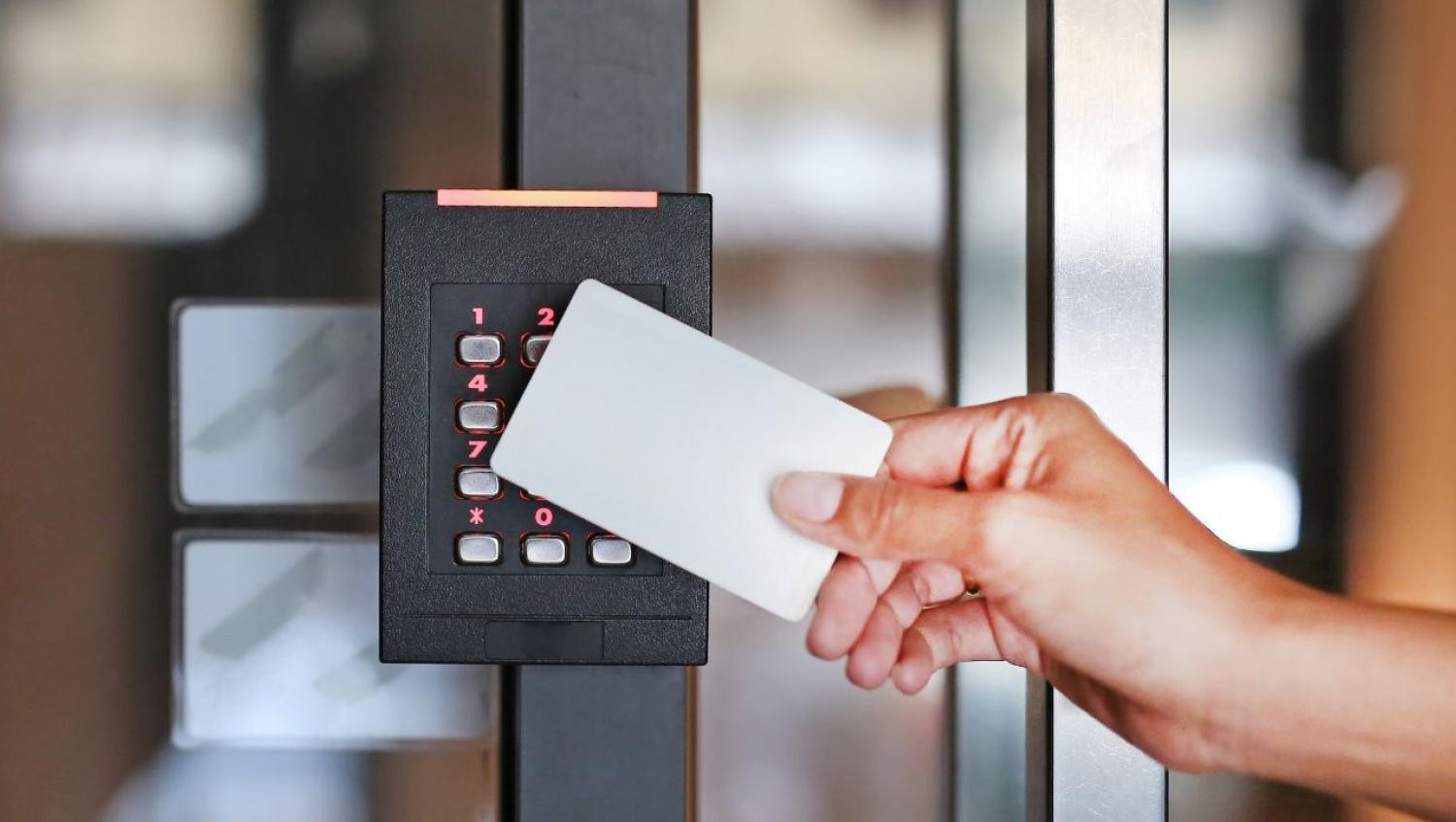
Access control is a security system that manages who can enter specific areas of a facility and when they can enter.
Instead of relying on traditional keys, businesses often use credentials and readers such as:
- Keycards or fobs
- Mobile credentials
- PIN codes
- Biometric readers
- Electronic locks
- Vehicle or license plate readers
What is intrusion detection?
Intrusion detection is a security system that identifies unauthorized access or suspicious activity within a facility. These systems use sensors and monitoring technology to detect potential threats in real time.
These systems can use a variety of technologies to identify intrusions, such as:
- Motion detectors
- Glass break sensors
- Audio sensors
- Door and window contacts
- Security cameras
- Vibration and light sensors
Access control vs. intrusion detection
Here is an overview of how these two systems vary when compared:
| Feature | Access control | Intrusion detection |
|---|---|---|
| Primary objective | Manages access to areas of a building | Detects unauthorized activity at specific times |
| Focus | Prevention | Detection and response |
| Hardware used | Restricting unauthorized access | Identifying to suspicious activity and responding appropriately |
| Activity tracking | Typically includes an audit log with user information, credentials, timestamps, etc. | Depends on the system, but includes activity of past intrusion events |
| Security alerts | May generate alerts based on an unauthorized credential being used | Yes, upon a specific action being triggered, such as glass breaking, door opening, etc. |
How access control and intrusion detection work together
While access control and intrusion detection vary, they pair well together to prevent, identify, and respond to unauthorized access. When integrated, these systems provide a more comprehensive look at potentially suspicious activity occurring in your business.
So, a security incident may play out as follows when these systems are integrated:
- Entering the business: An individual attempts to enter your facility after business hours using a stolen key card.
- Recording the entry: The access control system records the credential being used and grants entry because the card appears valid.
- Attempting access: Once inside, the individual attempts to enter a restricted area where the key card is not authorized to access.
- Denying access: The access control system denies entry and logs the failed access attempt.
- Breaking in: Then, the individual forces the door open.
- Triggering the alarm: The physical intrusion detection system is triggered via a door contact sensor, and audio sensors detect metal scraping, triggering an alarm.
- Reviewing the activity: Security personnel or the monitoring team receive an alert, allowing them to investigate. Since the systems are integrated, they can see the intrusion event alongside the earlier access control activity (both the authorized access at the front door and the denied entry at the current door).
- Verifying the intrusion: If integrated with video surveillance, security personnel can also review live or recorded footage to verify what is happening. Otherwise, they may listen in on the activity via audio sensors to determine if a break-in has occurred.
- Responding to the break-in: If the monitoring team verifies the break-in, they contact the authorities immediately or dispatch their own security team.
- Apprehending or investigating: Security or law enforcement may arrive in time to apprehend the suspect. If not, access logs, alarm records, and video footage can be reviewed together to support the investigation and identify opportunities to strengthen security.
Benefits of integrated access control and intrusion detection
Integrated access control and intrusion detection systems lead to significant advantages for businesses.
Here’s how your business will benefit from integrated access control and intrusion systems.
Improved security coverage
Security systems are more effective when you take a layered approach. Access control can only prevent unauthorized access. It can’t tell you if someone has broken in. That’s why pairing intrusion detection and access control helps you better protect your business and stop threats sooner. This layered approach reduces the gaps in your security and maintains a safe environment for assets and people.
More informed investigations
Traditionally, access events and alarms would come through different systems, requiring security teams to switch between the two. The lack of integration creates opportunities for critical information to fall through the cracks. It also increases the likelihood of human error.
When these systems are integrated, security teams receive all the information in a single report or dashboard. They don’t have to switch between tools to determine what’s happening, which reduces the risk of errors in responses.
Faster response to incidents
Together, access events and intrusion alerts give security teams more information to act confidently. They don’t have to pull together multiple points of data from different interfaces or question what is actually happening. Instead, they can act as soon as possible once alerts come through, reducing stolen assets and property damage.
Improved efficiency
If security teams must flip between multiple tools to review event logs and alarms, it costs them valuable time and resources. Integrated systems simplify the process through a single interface, helping save time and money on responding to events.
It also helps to onboard new employees faster. With fewer tools to learn, trainees can effectively leverage the system to respond to incidents faster and correctly.
Best practices for integrating security systems
Integrating access control and intrusion detection systems requires the right process to be effective.
Follow these best practices when integrating these systems:
- Choose a single provider: Working with one provider simplifies implementation and support for your business. It also helps ensure your access control and intrusion detection systems are designed to work together seamlessly.
- Centralize monitoring and management: Ensure your security systems are managed through a single platform. Centralized monitoring gives your team a complete view of security events, making it easier to identify threats and respond quickly.
- Test and maintain regularly: Even the best security systems require routine testing and maintenance. Schedule regular inspections for sensors, door readers, alerts, and integrations to ensure everything is functioning properly.
- Integrate multiple systems: Access control and intrusion detection become even more effective when paired with technologies such as video surveillance, remote monitoring, and visitor management. Integrating these additional systems provides greater visibility and stronger protection.
- Train employees thoroughly: Make sure employees understand how your security systems work and how to respond to alerts or suspicious activity. Well-trained staff can help prevent security incidents and support a faster, more effective response when issues arise.
How to choose the right access control and intrusion detection solution
When looking for the right access control and intrusion detection solution, look for the following features:
- Remote management capabilities: Modern security solutions should allow authorized users to monitor and manage their systems from virtually anywhere. This flexibility can be especially valuable for organizations with multiple locations.
- Ease of use: A security system should be intuitive and easy to navigate. User-friendly software helps teams work more efficiently and reduces the time required for training and daily management.
- Integration capabilities: Your solution should integrate with other security technologies, including video surveillance, visitor management systems, remote monitoring services, and mobile credentials. Connected systems provide greater visibility and improve overall security performance.
- Scalability: As your business grows, your security requirements will likely change. Look for a solution that can expand with your organization without requiring a complete system replacement.
- Real-time alerts and notifications: Timely information is critical during a security event. Choose a solution that provides immediate alerts so your team can assess and respond to threats quickly.
- Professional monitoring options: Professional monitoring can help ensure alarms are reviewed and acted upon promptly, even when your facility is unoccupied. This additional layer of support can improve response times and strengthen your overall security strategy.
- Reliable support and service: Security systems are long-term investments. Partner with a provider that offers ongoing technical support, maintenance, and expertise to help keep your system operating effectively.
Unify your access control and intrusion detection with SONITROL CORE
Traditional security systems often create unnecessary complexity. Businesses may use one platform for access control, another for intrusion detection, and a third for video surveillance. As a result, security teams are forced to switch between applications, piece together information, and spend valuable time managing disconnected systems.
SONITROL CORE eliminates these challenges by bringing intrusion detection, access control, alarm monitoring, and sensor data together on a single platform. Powered by SONITROL's latest security technology and backed by more than 60 years of industry experience, SONITROL CORE provides a more connected, streamlined approach to protecting your people, property, and operations.
Businesses choose SONITROL CORE for the following:
- One platform for managing security: Monitor and manage intrusion alarms, access control, and video from a single system instead of juggling multiple applications.
- Easy to manage from anywhere: The web-based Customer Platform and Manager Mobile App allow you to view activity, manage alarms, control doors, and access video whether you're on-site or off-site.
- Scalable for growing organizations: Whether you operate a single location or multiple facilities, SONITROL CORE's cloud-based architecture is designed to grow alongside your business.
- Stronger cybersecurity protections: Open Supervised Device Protocol (OSDP) helps protect access control communications, while automatic cloud updates ensure your system remains current with the latest security enhancements.
- Automatic software updates: New features, firmware updates, and security patches are delivered through the cloud, helping reduce maintenance requirements and eliminate costly on-site updates.
- Powerful features: See everything about your security system in a single interface, such as site statuses, doors, access events, video footage, alerts, access history, and so much more.
- Verified response: With more than 188,000 apprehensions and counting, SONITROL's verified security approach has helped law enforcement respond to active incidents faster and more effectively, protecting your business.
Contact us
Learn more about SONITROL's access control and intrusion detection solutions by booking a demo.