Verified Alarm Response Guide: What Is It & Why It Matters
False alarms can lead to costly disruptions to your business and strain local emergency services. Not to mention, you could face serious fines and false alarm fatigue that hinder future alarms caused by real threats.
For these reasons, you need a system that supports verified alarm response. This guide will cover what a verified alarm response is, how it works, and why it’s critical for your business and public resources. We’ll also help you choose the right solution for your business by pointing out the qualities necessary for an effective verified alarm system.
What is a verified alarm?
A verified alarm is a security alert that has been confirmed to be a legitimate threat before authorities are contacted.
Unlike traditional alarms that trigger an immediate response, verified alarms undergo an additional step to verify that criminal activity is occurring.
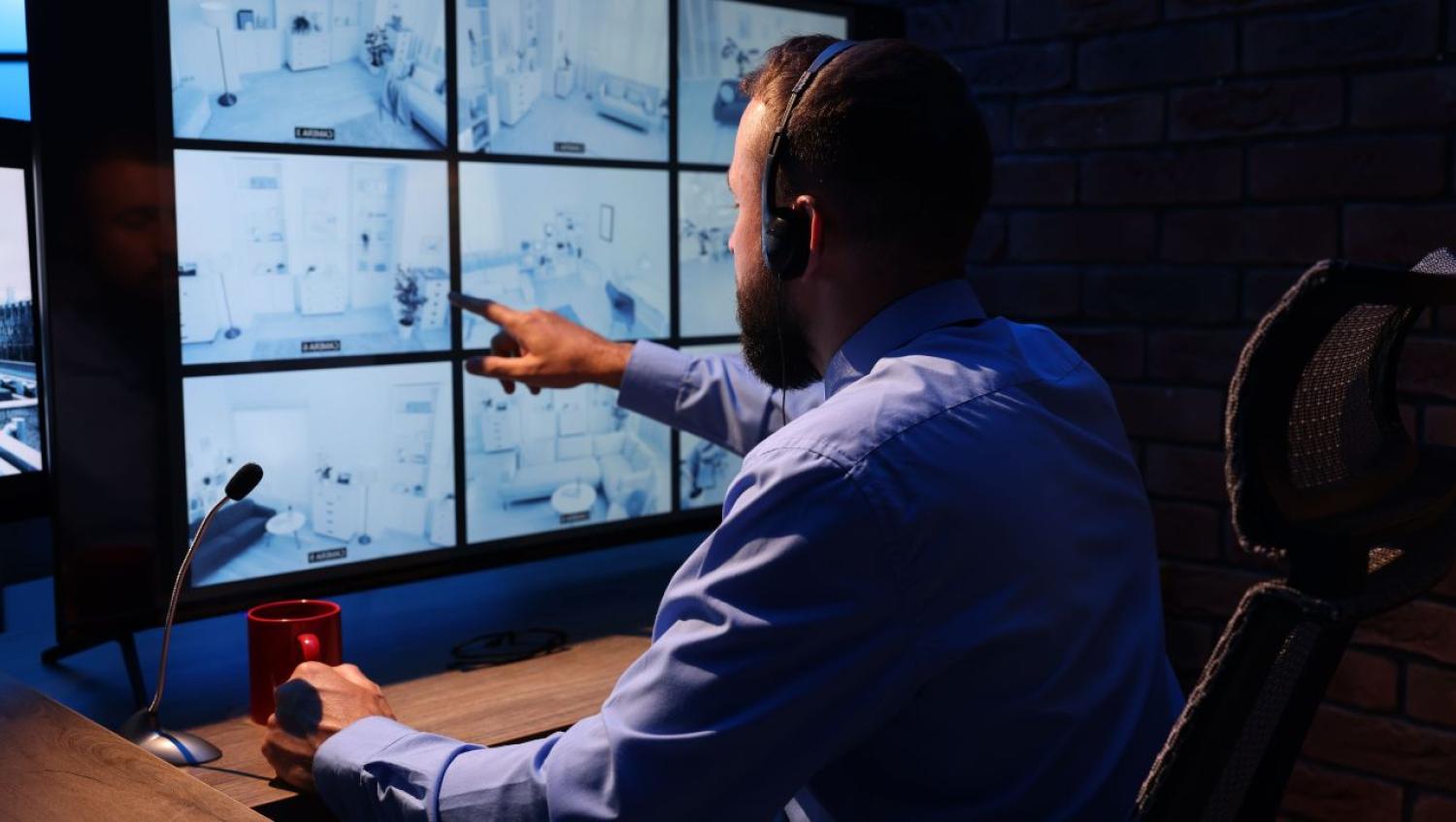
The process of verifying an alarm typically includes a combination of audio and video intrusion:
- Audio verification: A trained operator listens to a playback of the alarm tripping and can listen in real time for any suspicious activity.
- Video verification: An operator reviews video footage of when the alarm was tripped and live footage to identify any criminal activity.
Overall, the goal of a verified alarm is to ensure the business is being targeted by a real threat. That way, when authorities are contacted, emergency response resources aren’t wasted.
Why are verified alarm responses important?
Verified alarm responses are important because they reduce false alarm responses. In fact, verified response ordinances in places like Salt Lake City reduced alarm responses by 90%. This helped free up 8,482 officer hours for more essential duties.
Additionally, verified alarm responses address the many drawbacks of traditional systems:
- Lack of threat prioritization: Without verification, all alarms are treated the same, making it difficult for law enforcement to distinguish real threats from false ones, often resulting in slower response times.
- High frequency of false alarms: Traditional systems trigger alerts for non-threatening events (user error, environmental factors, equipment issues), leading to unnecessary dispatches.
- Alarm fatigue: Repeated false alarms can cause desensitization among security teams and law enforcement, increasing the risk that real emergencies may not receive immediate attention.
Increased costs from false alarm fees: Frequent false alarms can lead to costly public alarm charges, placing financial strain on businesses and organizations.
What is a false public alarm charge?
A false alarm charge (also known as a false alarm fee) is a penalty issued when emergency services respond to an alarm that turns out to be unnecessary.
False alarms are commonly caused by:
- User errors (e.g., an incorrect code is typed in)
- Faulty equipment
- Environmental triggers (weather, animals, debris, etc.)
False alarm fees have been widely adopted across major metropolitan areas to address the high volume of false alarms that burden law enforcement and emergency resources.
Over time, repeated false alarms can lead to:
- Escalating fines
- Suspension of response services
- Increase scrutiny from local authorities
Advantages of verified alarm response
Traditional alarm systems have long been the standard for security, but they come with significant drawbacks. Among them, a high rate of false alarms is especially problematic.
With such a high rate of false alarms, you can expect slower response times, unnecessary dispatches, and costly false alarm fees. Over time, these issues create frustration for both businesses and law enforcement, often resulting in lower priority for alarm calls.
Verified alarm response addresses these in the following ways:
- Higher-priority response: Unlike standard alarms, verified alarms are treated as confirmed threats. This means law enforcement and security teams are more likely to respond faster.
- Reduction in false alarms: By using audio, video, or multi-sensor verification, false triggers are filtered out before dispatch. This directly solves common response alarm problems tied to unnecessary alerts.
- Lower costs and fewer penalties: With fewer false dispatches, organizations can significantly reduce or eliminate false public alarm charges and ongoing false alarm fees.
- Improved accuracy: Verification provides real-time insight into what’s happening, allowing responders to arrive better informed and prepared.
- Greater trust from authorities: Because verified alarms are more reliable, they build credibility with local law enforcement, leading to more consistent and effective responses over time.
- Better security outcomes: Verified alarms help ensure that real threats are identified quickly and handled appropriately, reducing risk to people and your business.
What to look for in a verified alarm response vendor?
Not all providers deliver the same level of performance. Choosing the right verified response security partner is critical to ensuring your system delivers reliable, accurate protection at all times of day and night.
Here’s what you need to look for when searching for a verified alarm response vendor.
Verification capabilities
Your vendor should offer real-time audio and video verification to confirm threats as they happen. This includes access to trained monitoring professionals who can assess situations accurately and quickly. The quicker the verification process, the faster the appropriate response can be initiated, minimizing potential risks and losses.
Proven track record
Look for a provider with established, professional monitoring centers and a consistent track record of reducing false alarms. Reliability should include both uptime and the delivery of accurate alerts that law enforcement can trust.
Technology integration
Your vendor should offer solutions that integrate seamlessly with your existing security infrastructure. Advanced intrusion detection tools, combined with modern verification technology, ensure your system remains both effective and scalable as your needs evolve.
Compliance
A knowledgeable partner will understand local regulations surrounding alarm response, including false public alarm charges and false alarm fees. They should help you stay compliant while minimizing unnecessary dispatches and avoiding costly penalties.
Reputation and results
Finally, choose a provider known for accuracy, speed, and consistent outcomes. A strong reputation, backed by proven performance, signals that they can deliver reliable, verified alarm response solutions.
How to ensure your alarms are verified
The most effective approach to security today is verified alarm response. The best verified alarm system is SONITROL.
For more than 60 years, SONITROL has refined our approach with patented, impact-activated audio sensors that detect intrusions at the moment they occur — whether through doors, windows, walls, or ceilings. Unlike conventional, motion-based systems, SONITROL delivers wall-to-wall, floor-to-ceiling protection, helping ensure no intrusion goes undetected.
What sets SONITROL apart is our ability to verify alarms in real time. When an alert is triggered, our trained monitoring professionals can listen to live audio and access video feeds to confirm whether an event is taking place. Once verified, law enforcement is dispatched with the most up-to-date information, resulting in faster, prioritized response and a greater likelihood of apprehension.